
Rising Damp on Cape Town Walls — The Honest Guide
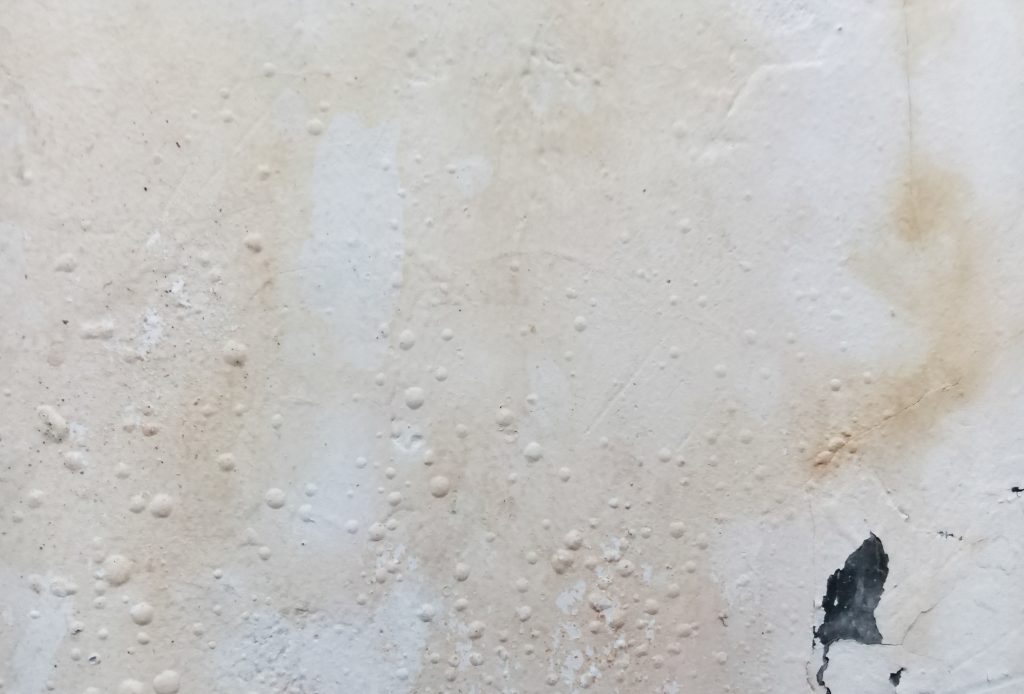
Quick answer: Rising damp is moisture moving upward through a wall from the ground, usually because the damp-proof course has failed, is missing, or has been bridged by paving, garden beds, plaster, screeds or later building work. On Cape Town homes, it is often seen as bubbling paint, flaking plaster, white salt deposits, musty smells and a horizontal tide mark on the lower section of a wall.
Painting over rising damp without treating the source is a short-term cosmetic fix. The new paint may look good at first, but moisture and salts can continue moving through the wall and push against the coating from behind. That is why damp-affected paintwork often bubbles, flakes and stains again after the repaint.
Cape North Painters provides preparation-first painting across the Cape Northern Suburbs and Cape Winelands. Damp-related painting risks are especially important on older homes, lower walls, boundary walls, wet winter elevations, river-corridor properties and homes where garden or paving levels have changed over the years.
What Is Rising Damp?
Rising damp is the upward movement of ground moisture through porous wall materials by capillary action. Brick, mortar, plaster and older render can absorb and move moisture upward when there is no effective damp-proof barrier stopping it. This is different from penetrating damp, where rainwater enters from outside, and different from condensation, where humid indoor air settles on cold surfaces.
The important point is that each type of damp needs a different fix. If a painter treats rising damp as ordinary peeling paint, the repaint will probably fail. If a contractor treats condensation as rising damp, the homeowner may pay for unnecessary work. Diagnosis must come before painting.
The 7 Signs of Rising Damp on a Cape Town Wall
Walk along the lower section of the wall and look carefully at the area from the floor or paving line up to about chest height. Rising damp most often shows itself low on the wall first.
- A yellow, brown or grey tide mark running roughly horizontal across the lower wall.
- Bubbling, blistering or peeling paint near skirting boards, paving or lower plaster.
- White powdery deposits, often called salts or efflorescence, on the wall surface.
- Soft, crumbly or hollow-sounding plaster that breaks away easily.
- Rotten, swollen, split or soft skirting boards on internal walls.
- A persistent musty smell in lower rooms, passages, storerooms or built-in cupboard areas.
- A damp line that appears worse in winter and less visible during dry summer months.
If several of these signs appear together on the same lower wall, rising damp becomes a strong possibility. A proper assessment should still check whether the issue is actually rising damp, penetrating damp, condensation, a plumbing leak, a leaking gutter, a bridged damp-proof course or a failed waterproofing detail.
Why Rising Damp Is Common on Some Cape Town Homes
Rising damp can happen anywhere, but certain Cape Town conditions increase the risk. Older homes, winter-rainfall exposure, altered garden levels, paving raised against walls, poor drainage and ageing damp-proof courses can all contribute.
Winter Rain and Saturated Ground
Cape Town’s winter rainfall can keep soil, paving edges, boundary walls and lower exterior walls damp for extended periods. When ground moisture is high and the wall has no effective damp-proof barrier, moisture can move upward into the wall structure.
Bridged Damp-Proof Courses
A damp-proof course can be defeated when paving, plaster, screed, soil, garden beds, extensions, tiles or pool surrounds are raised above the original barrier line. The wall then has a moisture path around the barrier, even if the original damp-proof course still exists.
Older Housing Stock
Older homes in areas such as Bellville, Brackenfell, Kuils River and parts of the broader Northern Suburbs may have older damp-proof systems, multiple coating layers, previous plaster repairs and changes to paving or garden levels over time. These issues can hide the real cause of damp.
River-Corridor, Wetland-Adjacent and Low-Lying Areas
Lower-lying properties, drainage-line areas and river-corridor suburbs such as parts of Kuils River can be more sensitive to ground moisture. This does not mean every house has rising damp, but it does mean lower walls should be assessed carefully before repainting.
Rising Damp vs Penetrating Damp vs Condensation
Many damp problems are misdiagnosed because all three can leave stains, paint failure or mould. The location and pattern usually give the first clue.
| Indicator | Rising Damp | Penetrating Damp | Condensation |
|---|---|---|---|
| Where it appears | Lower wall sections | Any height, often near windows, cracks, eaves or downpipes | Cold surfaces, corners, ceilings and behind furniture |
| Pattern | Horizontal tide mark or lower-wall band | Localised patch or rain-entry pattern | Spread across cool areas with black mould possible |
| Worst season | Often worse in winter | During and after rain | Winter and poorly ventilated periods |
| Salt deposits | Common | Possible | Uncommon |
| Typical fix | DPC or moisture barrier correction, plaster repair and suitable coating | External waterproofing, flashing, crack or downpipe repair | Ventilation, heating, insulation and humidity control |
Why Painting Over Rising Damp Fails
When damp is painted over without treating the cause, the wall is still wet behind the new coating. Moisture keeps moving through the wall, salts crystallise near the surface, and the paint film is pushed away from the plaster. This is why the wall may look freshly painted at first and then start bubbling or flaking later.
- Stage 1: The wall is painted and looks neat for a short period.
- Stage 2: Moisture continues moving through the substrate from below.
- Stage 3: Salts and moisture build pressure behind the paint film.
- Stage 4: Small bubbles, stains or tide marks start reappearing.
- Stage 5: Paint flakes, plaster softens and the homeowner pays to fix the same wall again.
This is one of the reasons very cheap damp-wall painting quotes can become expensive later. If the quote only includes scraping and repainting, but not diagnosis and cause correction, the visible problem may return.
The Correct Fix Order for Rising Damp
Rising damp treatment must follow the correct order. Painting comes near the end, not the beginning. The exact specification depends on the property, wall construction, moisture source, plaster condition and product system selected.
Step 1 — Diagnose the Moisture
The wall should be inspected in several positions and heights. The assessment should consider moisture readings, tide marks, salt deposits, plaster condition, paving levels, garden levels, downpipes, gutters, external cracks, internal floors and the likely damp-proof course line.
Step 2 — Remove or Correct the Cause
If the damp-proof course is bridged, paving, plaster, soil or garden levels may need correction. If water is pooling against the wall, drainage, gutters, downpipes or paving falls may need attention. If there is a plumbing leak, that must be fixed before any painting work continues.
Step 3 — Install or Restore a Damp Barrier Where Required
Where the existing damp-proof course has failed or is missing, a suitable remedial damp-proofing system may be required. This may involve a chemical damp-proof course, specialist damp-proofing products or other moisture-barrier methods specified for the wall type.
Step 4 — Remove Failed Paint and Damaged Plaster
Bubbling paint, salt-contaminated plaster and soft plaster should not be painted over. Damaged areas may need to be stripped back to a sound substrate before repairs can start.
Step 5 — Replaster with a Suitable System
The replacement plaster or render system must be suitable for damp-affected masonry. Depending on the substrate, this may involve waterproofing admixtures, salt-resistant plaster systems, specialist renders or supplier-backed specifications.
Step 6 — Allow the Wall to Cure and Dry
Fresh plaster and render need curing time before paint is applied. Rushing this stage can cause alkaline burn-through, poor adhesion or staining. Winter projects may need longer drying and curing windows than summer projects.
Step 7 — Prime and Repaint with the Correct Coating System
Fresh cement-based surfaces may require an alkali-resistant primer. Older lime-based or heritage-sensitive walls may require breathable or mineral-compatible coatings. The final coating system must suit the wall, not simply cover the stain.
What Rising Damp Treatment Can Cost in Cape Town
Damp repair pricing varies widely because the cause and scope vary widely. A small bridged-DPC section is not the same as a full older home with several damp-affected walls, damaged plaster, salt contamination and external drainage issues.
| Scope | Indicative 2026 Range | Notes |
|---|---|---|
| Damp inspection as part of painting quote | Usually included with the quotation process | Depends on access, area and project suitability |
| Chemical DPC or damp-barrier treatment to one section | R8,000 – R18,000+ | Product, wall thickness, length and substrate affect cost |
| Strip, replaster and repaint one affected elevation | R12,000 – R35,000+ | Height, plaster damage, drying time and finish system matter |
| Full older home damp remediation and repainting | R45,000 – R180,000+ | Multi-wall damp, old coatings, plaster replacement and exterior repainting can add up quickly |
A cheap quote that promises to “fix damp and repaint” without explaining the cause, preparation, plaster system, primer and exclusions is risky. The cheapest short-term option is often just paint over damp. The proper solution starts with diagnosis.
Suburb-Specific Damp Risk in Our Service Area
Damp risk is not the same in every suburb. A ridge-top Plattekloof home, a river-corridor Kuils River property, an older Bellville house and a Franschhoek valley home can all have different moisture behaviour.
| Area | Damp Risk Profile |
|---|---|
| Kuils River | Higher risk in river-corridor, lower-lying, older-render and Blackheath-edge properties where damp, dust and old coatings must be assessed carefully. |
| Bellville | Moderate to higher risk on older homes with ageing coatings, old plaster, multi-coat history and altered paving or garden levels. |
| Brackenfell | Moderate risk on older central properties, boundary walls, lower walls and homes with industrial-edge dust or older brick-and-render surfaces. |
| Durbanville | Lower to moderate risk overall, but runoff zones, boundary walls, older homes and estate drainage details should still be checked. |
| Stellenbosch | Moderate risk where heritage plaster, lime render, valley moisture, garden levels and breathable coating requirements are involved. |
| Paarl | Moderate risk near lower-lying areas, older homes, boundary walls and properties affected by winter moisture followed by strong summer heat. |
| Franschhoek | Moderate risk in valley-floor properties, shaded walls, guest-house buildings, older plaster and heritage-sensitive surfaces. |
| Plattekloof | Generally lower rising damp risk because of ridge elevation, but parapets, flat details, drainage and boundary walls must still be checked. |
Frequently Asked Questions — Rising Damp on Cape Town Homes
Can you just paint over rising damp?
No. Painting over rising damp without treating the moisture source is a temporary cosmetic fix. The paint may bubble, flake, stain or lift once moisture and salts push through the wall again.
How do I know if my wall has rising damp or condensation?
Rising damp usually appears on the lower wall and may show a horizontal tide mark or salt deposits. Condensation usually appears on colder surfaces, corners, ceilings or behind furniture and is often linked to poor ventilation.
How much does it cost to fix rising damp in Cape Town?
Small damp-barrier treatments or DPC-related repairs can start from several thousand rand, while strip, replaster and repaint work can cost much more depending on the number of walls, wall height, plaster damage, product system and drying time. Full older-home damp remediation can become a major project.
What is the best paint for damp Cape Town walls?
The best paint depends on the wall and the source of damp. A breathable or microporous coating may be needed on certain repaired walls, while fresh cement render may require an alkali-resistant primer first. Standard interior PVA is usually a poor choice for damp-affected walls.
Can rising damp come back after treatment?
Yes, especially if the original cause is not removed. Raised paving, high garden beds, poor drainage, leaking pipes, blocked gutters or bridged damp-proof courses can allow moisture to return.
How long should I wait before painting after damp treatment?
The wall must be dry enough and any fresh render or plaster must cure properly before painting. Cement-based repairs often need several weeks before coating, and winter conditions may require a longer drying window.
Does Cape Town winter rain cause rising damp?
Winter rain can worsen rising damp by increasing ground moisture, but the underlying issue is usually a failed, missing or bridged damp-proof barrier combined with moisture movement through the wall.
Why do older Kuils River, Bellville or Brackenfell homes often show damp?
Older homes may have ageing damp-proof courses, old plaster, multiple paint layers and later alterations such as raised paving, garden beds or extensions that bridge the original damp barrier.
Can I fix rising damp myself?
Minor surface bubbling may be manageable if the cause is clear and limited, but persistent damp, multiple walls, salt deposits, soft plaster or recurring paint failure should be professionally assessed before repainting.
What is the difference between DPC injection and damp-proof paint?
DPC injection or damp-barrier treatment aims to stop moisture rising through the wall. Damp-proof paint is a surface coating. A surface coating on its own will not solve rising damp if moisture is still moving upward from below.
Will insurance cover rising damp repairs?
Many insurance policies treat rising damp as gradual deterioration rather than a sudden event, but policy wording differs. Cover may depend on whether the damp was caused by a sudden insured incident such as a burst pipe or storm damage.
How can I prevent rising damp in my Cape Town house?
Keep paving and garden beds below the damp-proof course line, maintain gutters and downpipes, keep water away from foundations, avoid bridging the DPC with plaster or soil, and investigate small damp signs before they become major repairs.
Ready for a Damp Wall Assessment?
Cape North Painters
Before repainting a damp-affected wall, the cause must be understood. Cape North Painters can assess the visible defects, explain likely moisture sources and recommend whether painting, damp remediation, plaster repair or specialist input is needed first.
Related Reading
- How Much Does It Cost to Paint a House in Cape Town?
- Best Time of Year to Paint a House in Cape Town
- PVA vs Acrylic vs Plascon vs Dulux — Which Paint Should You Use?
- Should You Paint Before Selling Your Cape Town House?
You can also visit the Service Areas page, the Cape Northern Suburbs Painters hub, the Cape Winelands Painters hub, or the main Cape North Painters home page.